
Understanding Dual Fuel HVAC Systems and Their Benefits for Home Comfort and Efficiency
- Kevin Segit
- Apr 2
- 4 min read

When winter chills set in or summer heat waves strike, having a reliable and efficient heating and cooling system is essential for home comfort. Dual fuel HVAC systems offer a smart solution by combining two types of heating technologies. This blend brings together the dependable warmth of fuel-fired systems with the energy-saving benefits of heat pumps. Understanding how these systems work and their advantages can help homeowners make informed decisions about their home climate control.
What Is a Dual Fuel HVAC System?
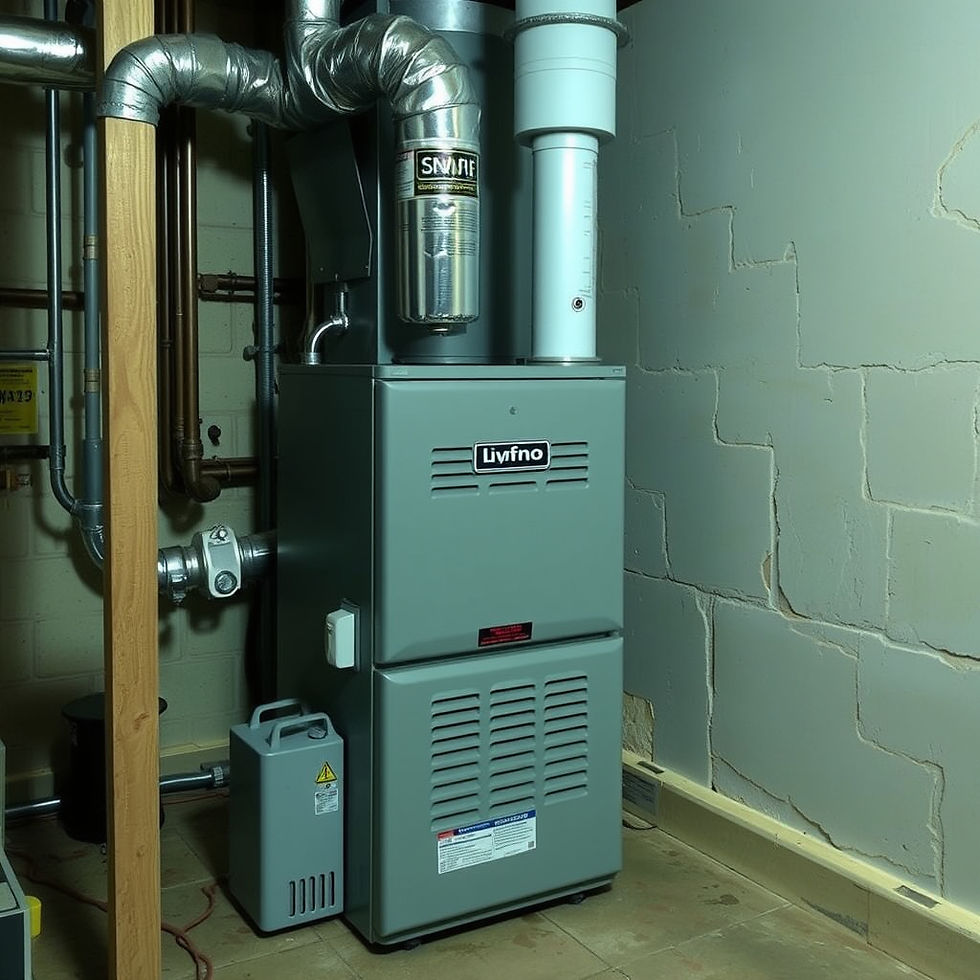
A dual fuel HVAC system uses two different heating sources: a heat pump and a fuel-fired furnace, usually powered by natural gas or propane. The heat pump handles heating and cooling by transferring heat between the indoors and outdoors. It works efficiently in mild to moderate temperatures. When the temperature drops too low for the heat pump to work efficiently, the system switches to the fuel-fired furnace to provide reliable warmth.
This setup allows the system to choose the most efficient and cost-effective heating method based on outdoor conditions. During warmer months or mild winters, the heat pump provides heating and cooling with lower energy use. When temperatures fall below a certain point, the furnace takes over to maintain comfort without overworking the heat pump.
How Dual Fuel Systems Work
The system uses a thermostat or control board programmed to switch between the heat pump and furnace automatically. Here’s a simplified breakdown:
Heat Pump Mode: When outdoor temperatures are above the set threshold (usually around 10-15°F), the heat pump heats or cools the home by moving heat in or out.
Furnace Mode: When temperatures drop below the threshold, the system switches to the fuel-fired furnace, which burns gas or propane to generate heat.
Cooling Mode: The heat pump provides air conditioning during warm weather by removing heat from inside the home.
This automatic switching ensures the system always uses the most effective heating source available, reducing energy waste and maintaining consistent indoor comfort.
Benefits of Combining Fuel-Fired Systems with Heat Pumps
1. Improved Energy Efficiency
Heat pumps are known for their high efficiency because they move heat rather than generate it by burning fuel. This makes them much more energy-efficient. However, some homes may not be insulated or air sealed enough to reliably depend on heat pumps in very cold weather. By pairing a heat pump with a fuel-fired furnace, the system avoids running the heat pump inefficiently in freezing temperatures.
This combination can reduce overall energy consumption and lower utility bills. For example, in a region with cold winters but mild fall and spring seasons, the heat pump can handle most heating needs, while the furnace only runs during the coldest days.
2. Enhanced Comfort and Consistent Heating
Fuel-fired furnaces provide strong, reliable heat even in extreme cold. This means homeowners don’t have to worry about their heating system struggling during a cold snap. The heat pump maintains comfortable temperatures during milder weather, while the furnace ensures warmth when it’s needed most.
The system’s ability to switch seamlessly between heating sources means there are fewer temperature fluctuations inside the home. This results in a more comfortable living environment year-round.
3. Lower Carbon Footprint
Using a heat pump reduces reliance on fossil fuels because it uses electricity to transfer heat rather than burn fuel. When paired with a high-efficiency furnace, the overall environmental impact decreases compared to using a furnace alone.
In areas where electricity comes from renewable sources, the heat pump’s use further lowers greenhouse gas emissions. This makes dual fuel systems a greener choice for homeowners looking to reduce their carbon footprint.
4. Flexibility for Different Climates
Dual fuel systems work well in regions with varying seasonal temperatures. In warmer climates, the heat pump can handle most heating and cooling needs, minimizing fuel use. In colder climates, the furnace provides backup heat during harsh winters.
This flexibility means homeowners don’t have to choose between a heat pump or furnace—they get the benefits of both.
5. Potential Cost Savings Over Time
While dual fuel systems may have a higher upfront cost due to the combination of two heating technologies, they can save money over time. Reduced energy use during mild weather and efficient heating during cold spells lower monthly utility bills.
Additionally, many utility companies offer rebates or incentives for installing energy-efficient systems like heat pumps, which can help offset installation costs.
Practical Example of Dual Fuel System Use
Imagine a homeowner in the northern United States where winters can be very cold but fall and spring are mild. During fall and spring, the heat pump efficiently heats the home without burning fuel. When winter arrives and temperatures drop below freezing, the system switches to the gas furnace to provide steady, powerful heat.
This setup prevents the heat pump from struggling in freezing weather, which can cause it to consume more electricity and wear out faster. The homeowner enjoys lower energy bills during most of the year and reliable warmth during the coldest months.
Maintenance Tips for Dual Fuel Systems
To keep a dual fuel HVAC system running smoothly:
Schedule regular professional inspections for both the heat pump and furnace.
Change air filters every 1-3 months to maintain airflow.
Keep outdoor heat pump units clear of debris, snow, and ice.
Test the thermostat settings to ensure proper switching between heating sources.
Address any unusual noises or performance issues promptly.
Proper maintenance extends the system’s lifespan and maintains energy efficiency.

Comments